
Last Updated: October 23, 2026
Quick Summary
Emergency roof leak repair cost varies from a few hundred dollars for minor leaks sealed with temporary tarping to several thousand dollars for major structural repairs involving water damage remediation, with most homeowners facing estimates determined by damage severity, roofing material, and after-hours service fees.
- Temporary tarping typically costs a few hundred dollars and stops water entry quickly but does not address the underlying problem.
- After-hours emergency service includes dispatch fees, labor surcharges, minimum charges, and materials that stack on top of base repair costs.
- Water damage extending to drywall, insulation, framing, or flooring significantly increases the total repair bill beyond roof work alone.
- Storm damage is typically covered by homeowner's insurance, but leaks from poor maintenance or normal wear and tear usually are not.
- Getting an itemized written estimate from at least two contractors before approving work helps prevent invoice surprises.
Table of Contents
- What Emergency Roof Leak Repair Actually Costs
- Roof Leak Repair Cost Factors That Drive Your Bill
- After-Hours Roof Repair Cost and Emergency Surcharges
- Temporary Roof Leak Repair vs. Permanent Solutions
- Roof Leak Repair Insurance Coverage and Deductibles
- How to Compare Emergency Roofing Quotes and Avoid Surprises
- Your Emergency Response Checklist
- Frequently Asked Questions
What Emergency Roof Leak Repair Actually Costs
A minor leak sealed with temporary tarping might run a few hundred dollars. A major structural repair involving water damage remediation could easily reach several thousand.
B&G Home Improvement Inc. understands the urgency of emergency roof situations. The cost difference between a quick temporary patch and a permanent solution is significant, and understanding that difference upfront helps you make the right decision when you're stressed and water is actively damaging your home.
Roof Leak Repair Cost Factors That Drive Your Bill
Several concrete factors determine what you'll actually pay for emergency roof leak repair cost. Understanding each one helps you anticipate the estimate your contractor will provide.
Repair severity and location
Where the leak is located and how extensive the damage is will be the biggest cost drivers. A small hole in a straightforward location costs far less than a complex leak requiring multiple areas to be addressed. Leaks near valleys, around pipe boots, or where flashing has failed typically require more labor to diagnose and repair properly.
The severity also matters tremendously. A single missing shingle is a quick fix. A section of roof decking that's rotted from prolonged water exposure requires replacement of structural components, a much larger job. Water damage that's spread to interior walls, insulation, or framing multiplies the scope and cost significantly.
Roofing material and roof type
Asphalt shingles are the most common roofing material and generally the most affordable to repair. Metal roofing, tile, or slate roofing requires specialized knowledge and often more expensive materials. If your roof uses premium materials, expect repair costs to reflect that.
The pitch and complexity of your roof also affects pricing. A simple, low-pitch roof is faster and safer to work on. A steep, complex roof with multiple angles, dormers, or skylights takes longer and costs more labor.
Water damage and structural repairs
When a leak has been active for days or weeks, water damage extends beyond the roof itself. Interior damage to drywall, insulation, framing, or flooring adds significant cost to the repair bill. Structural damage, rotted wood, compromised roof decking, requires replacement, not just patching.
Mold remediation, if the water damage has been present long enough, becomes its own line item. This is why addressing leaks quickly matters so much for your final bill. A leak caught and repaired within hours costs a fraction of what the same leak costs after it's sat for a week.
After-Hours Roof Repair Cost and Emergency Surcharges
Emergency service has a price, and the invoice is rarely a single line. When you call a roofing contractor at 2 a.m. on a Sunday, you are paying for availability, rapid response, and the fact that the crew is turning out at an inconvenient time.
An emergency invoice structure often includes:
- Dispatch or trip fee: A flat charge to send a crew to your address, depending on distance and time of day.
- After-hours labor surcharge: Most contractors apply a multiplier to standard labor rates for nights, weekends, and holidays.
- Emergency minimum charge: Many companies set a minimum ticket for after-hours calls, even if the physical work takes less than an hour. You are paying for the crew's availability window, not just the minutes on the roof.
- Materials and temporary protection: Tarps, sealant, fasteners, and any replacement shingles or flashing are billed on top of labor. Ask whether materials are marked up and by how much.
- Equipment or access charges: If the crew needs a lift, harness system, or specialty tools that were not on the truck, a separate charge may appear.
A realistic example helps. Suppose a pipe boot has failed and water is dripping into a hallway ceiling at 11 p.m. The difference in cost between an emergency call and a scheduled repair is not the repair itself; it is the timing and the minimums.
Some contractors also charge a trip fee if they arrive and determine the damage requires materials or equipment they do not have with them. This is separate from the actual repair cost. Clarify these potential charges before the work begins so there are no surprises on the invoice. If a quote seems unusually low for an after-hours call, ask whether the minimum charge or materials are excluded, because the final bill may be higher than the headline number.
Emergency roof repair invoices typically include several separate charges beyond the base repair cost.
| Charge Type | Description | Typical Inclusion |
|---|---|---|
| Dispatch or trip fee | Flat charge to send crew to your address | Depends on distance and time of day |
| After-hours labor surcharge | Multiplier applied to standard rates | Nights, weekends, and holidays |
| Emergency minimum charge | Minimum ticket for after-hours calls | Pays for crew availability window |
| Materials and temporary protection | Tarps, sealant, fasteners, shingles, flashing | May be marked up separately |
| Equipment or access charges | Lift, harness system, specialty tools | Only if not on truck |
Temporary Roof Leak Repair vs. Permanent Solutions
Understanding the difference between temporary and permanent repair is crucial for budgeting, but the more important question is what each one actually accomplishes.
Tarping is the most common emergency temporary measure. A roofer installs a heavy tarp over the damaged area, securing it to prevent wind from lifting it.
A permanent repair addresses the actual problem. Missing shingles are replaced. Flashing is sealed or replaced. Rotted decking is cut out and new material installed. This takes longer and costs significantly more, but it solves the problem completely.
Many homeowners use temporary repair as a bridge strategy: get the emergency tarped to stop active water intrusion, then schedule the permanent repair for the next business day or when weather permits. This spreads the cost across two service calls but prevents additional water damage overnight. The key is to treat the tarp as a scheduled step, not a finished job.
A practical way to decide between the two is to ask what the temporary measure is protecting. If the leak is active and water is reaching drywall, insulation, or electrical fixtures, temporary protection is urgent.
Call the Expert Renovation Contractors Now →
Roof Leak Repair Insurance Coverage and Deductibles
Whether your homeowner's insurance covers the repair depends on the cause of the leak. Storm damage, wind, hail, falling branches, is typically covered (How Your Roof Influences Your Home and Business Insurance).
Your deductible applies to covered claims. Some policies have higher deductibles for wind or hail damage specifically. Understanding your coverage before the emergency happens means you know whether you're paying the full bill or just the deductible.
Documentation matters for insurance claims. Take photos of the damage, keep all contractor invoices and estimates, and document the timeline of when you discovered the leak.
If you're uncertain whether your policy covers a specific leak, contact your insurance agent before scheduling the repair.
How to Compare Emergency Roofing Quotes and Avoid Surprises
When you're getting emergency quotes, you need to know what you're comparing. Learn how to compare emergency disaster restoration service quotes to evaluate your options.
Ask specifically about what's included in the quote. Does it include tarping to prevent further water damage? Does it include inspection of surrounding areas to catch secondary damage?
Clarify the scope of work. Is the contractor quoting a permanent repair or a temporary patch?
Ask about warranty. What's covered if the repair fails? How long is the warranty valid?
Get at least two quotes before committing to the work, even in an emergency. Taking time to compare options could save you money.
Your Emergency Response Checklist
When water is actively coming through your roof, here's what to do first, before you call a contractor.
Immediate safety steps:
- Turn off electricity to the affected area if water is near electrical outlets or fixtures
- Move furniture and personal items away from the leak
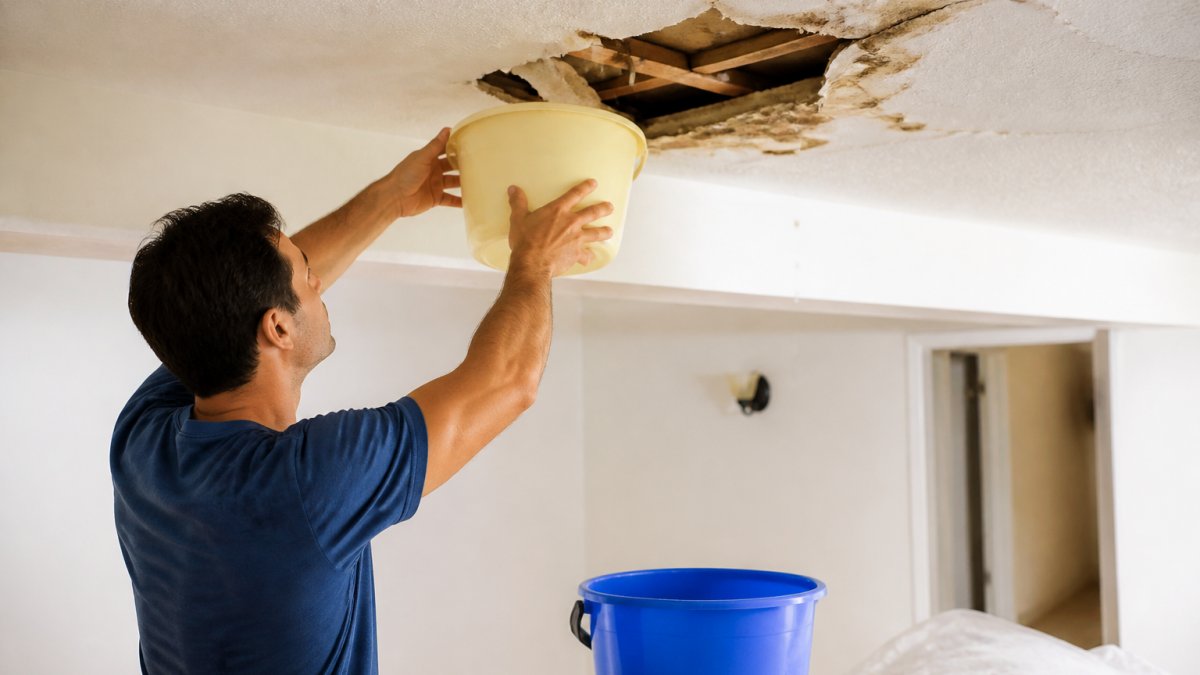
- Place buckets or tarps under the leak to catch water and protect flooring
- Open windows or doors to improve ventilation and reduce moisture
Document everything:
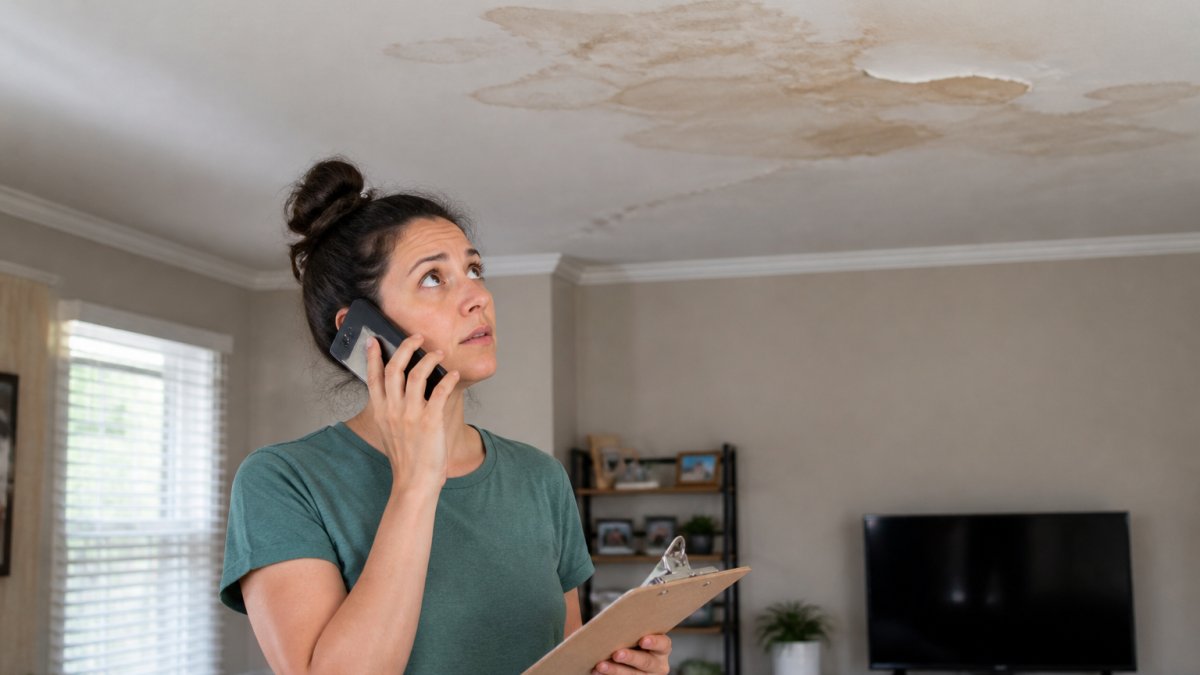
- Take photos and video of the damage from multiple angles
- Write down the date and time you discovered the leak
- Note weather conditions, was there a storm? High winds?
- Document any previous issues with this area of the roof
**Get help quickly:
- Choose reliable contractors for disaster repair to ensure quality work**
- Call your insurance company to report the claim
- Contact a local roofing contractor for emergency assessment
- Get at least one other quote if possible
- Ask about temporary tarping while you evaluate permanent repair options
Before work begins:
- Confirm the contractor is licensed and insured
- Get an itemized written estimate
- Clarify what's included in the quote and what isn't
- Ask about warranties on materials and labor
- Understand the payment terms.
The goal is to stop additional water damage immediately while you make informed decisions about the permanent fix. Rushing into the most expensive option isn't necessary. A temporary tarp buys you time to get multiple quotes, contact your insurance, and plan the right permanent solution.
When a roof leak strikes, the cost depends on what's actually damaged and how quickly you act. We provide thorough damage assessment, itemized estimates, and honest recommendations about whether temporary tarping or immediate permanent repair makes sense for your specific situation. Contact B&G Home Improvement Inc. to discuss your emergency roof repair needs and get a clear estimate for the work required.
Frequently Asked Questions
How much does an emergency roof leak repair cost?
Emergency roof leak repair costs vary depending on repair severity, material type, and whether work occurs during or after business hours. After-hours emergency service typically adds to standard labor rates. Costs also depend on whether you need temporary tarping, permanent repair, or water damage restoration. Request an inspection and written estimate before authorizing work to avoid surprises.
What factors affect the cost of emergency roof leak repairs?
Key cost drivers include repair severity (minor patch versus major structural work), roof material (asphalt shingles, metal, tile), location of the leak (valleys, flashing, pipe boots cost more than simple shingle replacement), accessibility, extent of water damage inside, whether interior damage requires restoration, and timing (after-hours and weekend work command premium rates). Storm damage, hail, and wind damage may also affect pricing if structural assessment is needed. A roofing contractor should itemize these factors in your estimate.
Is roof leak repair covered by insurance?
Most homeowners insurance policies cover roof leak repairs caused by sudden, accidental damage like storms, hail, or wind. Leaks from poor maintenance, age, or gradual wear are typically not covered. Your deductible applies before insurance pays. Document the damage with photos, file a claim promptly, and keep repair estimates. Some insurers require inspection before approval. Contact your insurance agent to confirm coverage and understand your specific policy limits before hiring a contractor.
Can I temporarily stop a roof leak before a roofer arrives?
Yes. Use a bucket to catch drips, move furniture and belongings away from the leak area, and place towels to absorb water. From outside (if safe), tarping the affected area with a heavy tarp secured with rope or fasteners can prevent more water entry. These temporary fixes buy time but are not permanent solutions. Professional repair should follow to prevent structural damage and mold growth.
