
Table of Contents
- Step 1: How to Clean Soot Off Walls
- How Long to Dry Walls After Smoke Damage Cleaning
- Choosing a Smoke Damage Wall Primer
- Fire Damage Restoration Before Painting: When Professional Help Is Needed
- Readiness Checklist and Repaint Timeline
- Scheduling Your Repaint Once the Walls Are Ready
- Frequently Asked Questions
Last Updated: November 13, 2026
When a fire clears out, the question of when to repaint walls is the decision most homeowners rush.
Painting over fire-damaged walls is possible, but only after the surface is clean, dry and sealed. Paint alone does not block smoke odor or soot staining. Skipping those steps often leads to yellowing, peeling and a smell that returns within weeks.
Walls can usually be painted once soot is removed, the surface has dried, and a stain-blocking primer is applied. Damage deep in the structure may require professional work first.
- Loose soot must be removed before any liquid cleaning
- Wet walls must dry fully before priming
- Damaged drywall should be repaired before painting
- Smoke odor needs a sealing primer, not just a topcoat
Step 1: How to Clean Soot Off Walls
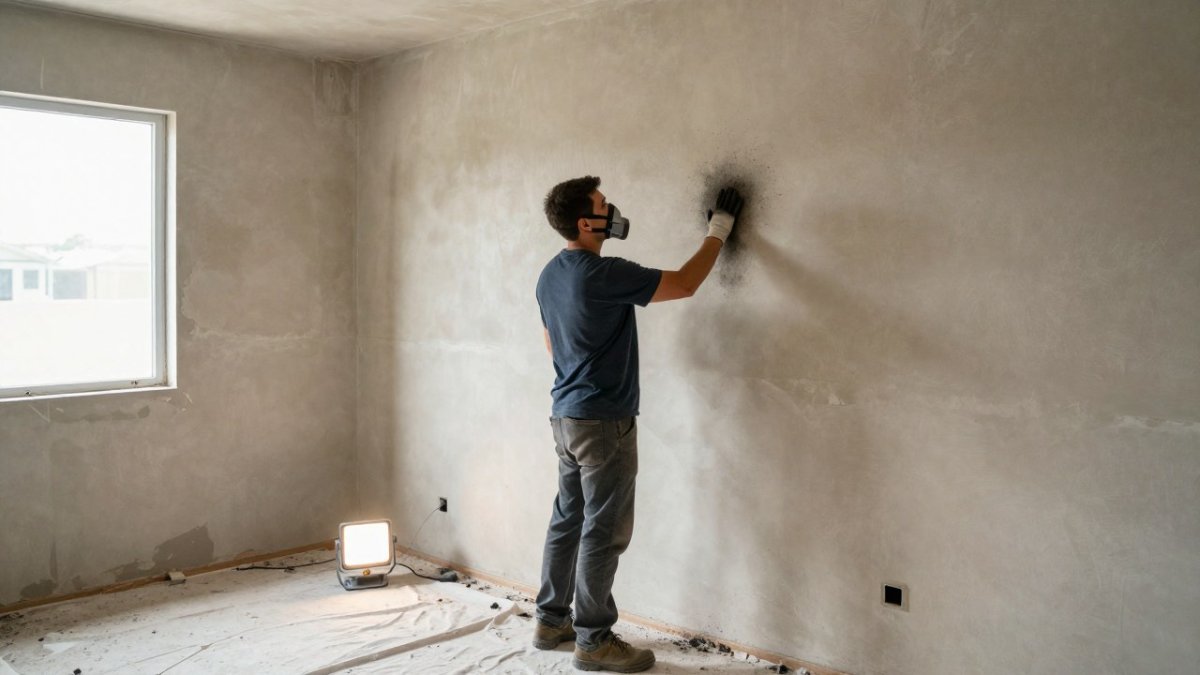
Cleaning comes first, because paint will not hold on soot. A common mistake is wiping soot with a wet cloth right away, which smears it deeper into the surface. Start dry, then move to wet cleaning only where needed. For more detailed cleaning methods, see dedicated guide to removing soot from walls after a fire.
Protect yourself before you start. Wear gloves, eye protection and a mask rated for fine particles. Ventilate the room and keep children and pets out.
Dry Vacuuming and Sponge Cleaning
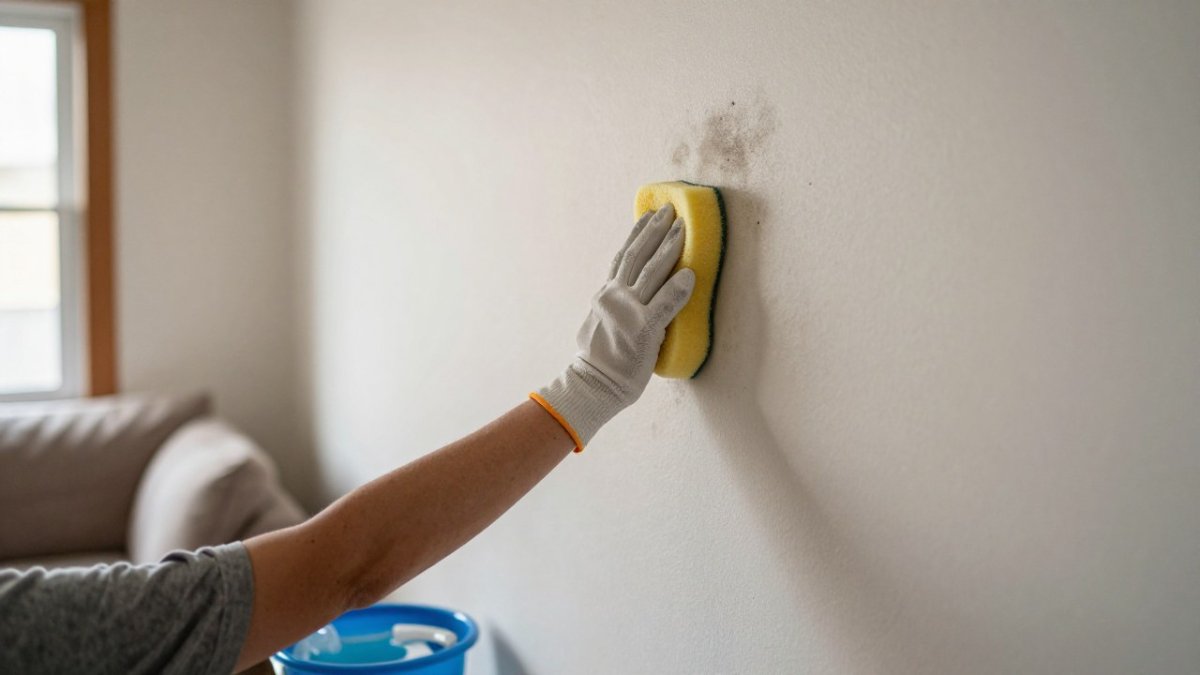
Use a HEPA-filter vacuum with a soft brush attachment to lift loose soot. Work top to bottom so debris does not fall onto cleaned areas. Then use a dry chemical sponge, which lifts residue without adding water.
- Vacuum loose soot from ceilings, trim and walls
- Wipe with a dry sponge in light, circular strokes
- Change sponges often, since they load up quickly
- Stop when the sponge comes away clean
Choosing a Cleaning Solution for Each Surface
Some walls need a mild cleaning solution after dry cleaning. Test a small hidden spot first, because some cleaners can dull or lift paint.
Rinse the wall with clean water and a fresh rag, then let it dry completely. Do not skip the rinse, since leftover cleaner can keep paint from bonding.
How Long to Dry Walls After Smoke Damage Cleaning
Drying is the step most homeowners rush, and it is the step that most often ruins a repaint. Firefighting water, cleaning solutions and high humidity all load the wall assembly with moisture, so knowing when to repaint walls after a fire depends on drying first. Paint and primer are vapor-retarding films; if they go on over a damp substrate, the moisture has nowhere to go and will push the coating off from behind. That shows up as blistering, peeling, or a white chalky blush within weeks.
Surface Dry Versus Assembly Dry
A wall can feel dry to the touch while the paper facing, joint compound, or cavity behind it is still holding water. Treat those as two separate checks.
- Surface dry: no visible dampness, no cool feel, no darkening when you press a dry paper towel against the wall for 30 seconds.
- Assembly dry: a moisture meter reading taken at several points on the drywall face is back to the baseline you recorded in an unaffected room of the same house.
Record baseline readings before cleaning so you have something to compare against.
Practical Drying Checks
- Use a pin-type or pinless moisture meter on drywall, and take readings at the top, middle and bottom of each wall, plus near outlets and baseboards where water pools.
- Check the back of the drywall at any opening you already have, such as a removed outlet cover or a cut made during remediation.
- Look for paint or joint compound that is soft, tacky, or darker than surrounding areas.
- Smell the wall at baseboard level; a musty, earthy odor means moisture is still present, not just smoke.
- Watch the room's relative humidity. Keep it below roughly 50 percent with a dehumidifier while drying.
Realistic Drying Windows
There is no single number, because drying time depends on how wet the assembly got and how much ventilation the room has.
The moisture meter, not the calendar, decides when the wall is ready.
What Speeds Drying and What Slows It
- Air movers aimed along the wall surface, not straight into it, plus a dehumidifier, dry a room far faster than open windows alone in humid weather.
- Keep interior doors open and furniture pulled away from walls so air reaches the surface.
- Do not run a heater hot enough to bake the surface while the core stays wet; that can trap moisture and crack joint compound.
- Do not seal the room with plastic before it is dry; that traps humidity.
Watch out: painting over a wall that still reads above baseline on a moisture meter is the single most common cause of a repaint failing within the first season, and the failure usually appears as peeling seams and bubbles rather than an obvious stain.
When Drying Stalls
If readings have not moved in 48 hours despite fans and a dehumidifier, stop and investigate. The moisture may be coming from a cavity, a roof or plumbing leak opened by the fire, or wet insulation that will never dry in place. At that point the wall needs to be opened, the wet material removed, and the assembly dried before any primer is considered.
Choosing a Smoke Damage Wall Primer
Primer is where smoke damage repairs succeed or fail. Regular latex primer does not block smoke stains or odor. A stain-blocking or odor-sealing primer is designed to seal in residue so it does not bleed through the new paint.
Check the primer label for use on fire-damaged surfaces before buying.
Fire Damage Restoration Before Painting: When Professional Help Is Needed
The harder question is whether the wall should be painted at all, and that decision belongs before any primer is opened. Painting over damage that should have been remediated can conceal a problem and leave odor or contamination in place.
Decision Criteria: Clean, Remediate, or Replace
Use these thresholds to sort each wall into one of three paths.
- Clean and repaint: soot is on the surface, the drywall is firm and dry, odor clears after cleaning, and there is no charring or water damage.
- Remediate first, then repaint: soot has penetrated joint compound or texture, odor persists after cleaning, or there is limited water damage that can be dried in place.
- Replace before repainting: drywall is soft, crumbly, swollen, charred, or has been wet long enough to risk mold; insulation is contaminated; or framing shows char.
A simple test: press a screwdriver handle into the drywall. If it dents easily or crumbles, the gypsum core has lost strength and paint will not fix it.
Hazards That Change the Plan
Some fire residue is not ordinary soot and should not be handled as a DIY cleaning job.
- Burned plastics, foam, and synthetic materials can leave residues that are hazardous to disturb without proper respiratory protection.
- Older homes may contain asbestos in joint compound, texture, or insulation, and lead paint in older coatings; disturbing either during cleaning creates a bigger hazard than the fire did.
- Soot and odor travel through HVAC returns and ductwork, so a clean room can keep smelling of smoke until the system is evaluated.
- Charred framing, compromised wiring, and water-damaged electrical boxes are safety issues that must be addressed before anyone paints near them.
When any of these are present, a qualified restoration professional should assess the space before cleaning or painting continues.
HVAC and Cavity Contamination
Smoke moves the same way air moves. If the HVAC system ran during the fire, or if smoke entered wall cavities through openings around outlets, switches, and penetrations, surface cleaning will not remove it. Signs include odor that returns when the system runs, soot marks around outlets, and smell that is stronger in one room than another. In these cases the ducts and cavities need professional evaluation, and repainting the visible wall will not solve the problem. When you are ready to hire, read advice on choosing reliable contractors for disaster repair.
Insurance and Restoration Sequencing
Coordinate painting with the claim rather than around it. Painting before the adjuster has documented the damage can cause disputes. Check whether fire smoke damage is covered by insurance before committing to restoration costs.
- Photograph and video every affected room before cleaning, including close-ups of soot patterns, charring, and water staining.
- Keep damaged materials and cleaning receipts until the claim is settled.
- Ask the adjuster whether repainting is covered as part of the restoration scope or as a separate line item.
- Get the restoration contractor's scope in writing and confirm who is responsible for drying, cleaning, and any testing.
- Do not sign a completion or release before the work is verified.
Review your policy's language on smoke damage and water damage, since coverage for one does not always include the other.
When DIY Is Reasonable
DIY cleaning and repainting can be reasonable for a small, contained fire with surface soot, no water intrusion, no hazardous materials, and odor that clears after cleaning. Once the damage crosses into cavities, HVAC, structure, or hazardous residue, the cost of a professional assessment is usually smaller than the cost of a failed repaint and a reopened claim.
Readiness Checklist and Repaint Timeline
Use this checklist before you buy paint. Every box should be checked before you start painting.
- Loose soot removed with a HEPA vacuum and dry sponge
- Walls cleaned with a suitable solution and rinsed
- Walls dry to the touch, with a moisture meter reading normal
- Damaged drywall repaired and sanded smooth
- Ceilings, trim and fixtures cleaned
- No lingering smoke odor in the room
- Stain-blocking or odor-sealing primer selected
Before buying paint, confirm each of these items is complete.
| Checkpoint | Requirement | Note |
|---|---|---|
| Loose soot | Removed with HEPA vacuum and dry sponge | Before any liquid cleaning |
| Wall cleaning | Cleaned, then rinsed with clean water | Leftover cleaner stops paint bonding |
| Moisture | Walls dry, meter reading normal | Surface dry is not enough |
| Drywall | Damaged areas repaired and sanded | Repair before painting |
| Odor | No lingering smoke smell in the room | Odor needs sealing primer |
| Primer | Stain-blocking or odor-sealing type | Regular latex primer does not block smoke |
Scheduling Your Repaint Once the Walls Are Ready
Once the checklist is complete, you are ready to schedule the repaint. Book your painting for a day when the room can stay ventilated and the walls stay dry. Give the new primer time to cure before the finish coat goes on.
If you would rather not manage each stage yourself, B&G Home Improvement Inc. can help you plan the sequence from cleanup through the final coat. You can book a home renovation consultation to start planning your repaint.
Ready to get your walls back in shape? Call the expert renovation contractors at B&G Home Improvement Inc. today for a clear plan and a dependable finish.
Frequently Asked Questions
Can you paint over fire- or smoke-damaged walls?
You can paint over fire- or smoke-damaged walls only after soot and smoke residue are removed, the surface is fully dry, and it has been primed with a stain-blocking primer. Painting over soot without cleaning traps residue under the new finish, which leads to peeling, staining and persistent odor. If the drywall is charred, soft or water-logged, the material should be replaced rather than painted. A professional restoration inspection can confirm whether the wall is salvageable.
How long should walls dry after cleaning smoke damage?
Walls need to dry fully after cleaning, and longer if moisture from firefighting water or humidity is present. Drying time depends on room ventilation, temperature and how thoroughly the surface was rinsed. Use a moisture meter to confirm the drywall reads within a normal range before priming. Painting over damp surfaces can trap moisture, cause adhesion failure and encourage mold growth behind the finish.
Do fire-damaged walls need a special primer before painting?
Yes, fire-damaged walls generally need a stain-blocking, odor-sealing primer before the finish coat. Stain-blocking primers are designed to seal in smoke residue, and the right type depends on the damage level. Follow the primer manufacturer's directions for compatibility with your paint and the surface, and apply enough coats to fully hide discoloration.
Should a restoration professional inspect walls before repainting?
A restoration professional should inspect walls before repainting when there is structural damage, deep soot penetration, persistent odor, visible moisture or any sign of mold. An inspection helps determine whether walls can be cleaned, need drywall replacement or require remediation first. It also documents conditions for your insurance claim. Painting before an inspection can hide problems that become costly later, so confirm the scope before scheduling your paint work with B&G Home Improvement Inc. or another qualified provider.
