
Quick Summary
The best basement drainage system depends on where the water comes from. Interior systems with a sump pump manage seepage at the floor-wall joint and suit finished basements, while exterior perimeter or French drains stop groundwater pressure at the source but require excavation. Identify the water source first, since a system that fits one source may fail against another.
- Identify the water source first: hydrostatic pressure, surface runoff, or condensation.
- Interior systems need minimal excavation and suit finished basements but manage water after it enters.
- Exterior perimeter drains cost more and disrupt the yard but address groundwater pressure directly.
- Try downspout extensions and regrading first when water enters only during heavy rain.
- Ask every contractor for a line-item bid covering the backup pump, discharge line, and concrete patch.
Table of Contents
- Why Basements Flood: Identifying the Source of Water Entry
- Types of Basement Drainage Systems
- Side-by-Side Comparison of the Best Basement Drainage Systems
- Interior Basement Drainage System Cost: What Homeowners Should Budget
- Basement Drainage System DIY: What You Can and Cannot Do Yourself
- Basement Drainage System Diagram: How Water Moves Through the System
- Choosing a Contractor and Scheduling Your Basement Drainage System
- Frequently Asked Questions
Why Basements Flood: Identifying the Source of Water Entry
Last Updated: November 6, 2026
Basement flooding rarely has one cause, and the fix depends entirely on where the water is coming from.
Water typically enters a basement in three ways. Hydrostatic pressure pushes groundwater through the foundation wall and floor-wall joint when the soil around the house stays saturated. Surface runoff flows toward the foundation when grading slopes the wrong way. Condensation and high indoor humidity leave a basement damp even without any visible leak.
Look for the telltale signs: efflorescence (white mineral crust) on concrete, dark staining along the bottom of walls, musty odors, and water that appears only after heavy rain. Once you have found the source, learn how to dry out a flooded basement safely.
A common mistake is installing a drain system before confirming the source. Homeowners sometimes buy an interior system for a problem that exterior grading or downspout extensions would have solved for far less.
Types of Basement Drainage Systems
A basement drainage system is a set of channels, pipes, and pumps that collects water at the foundation and moves it away from the home. Systems fall into two broad families: interior and exterior. Each works on a different part of the problem.
Interior Drainage Systems
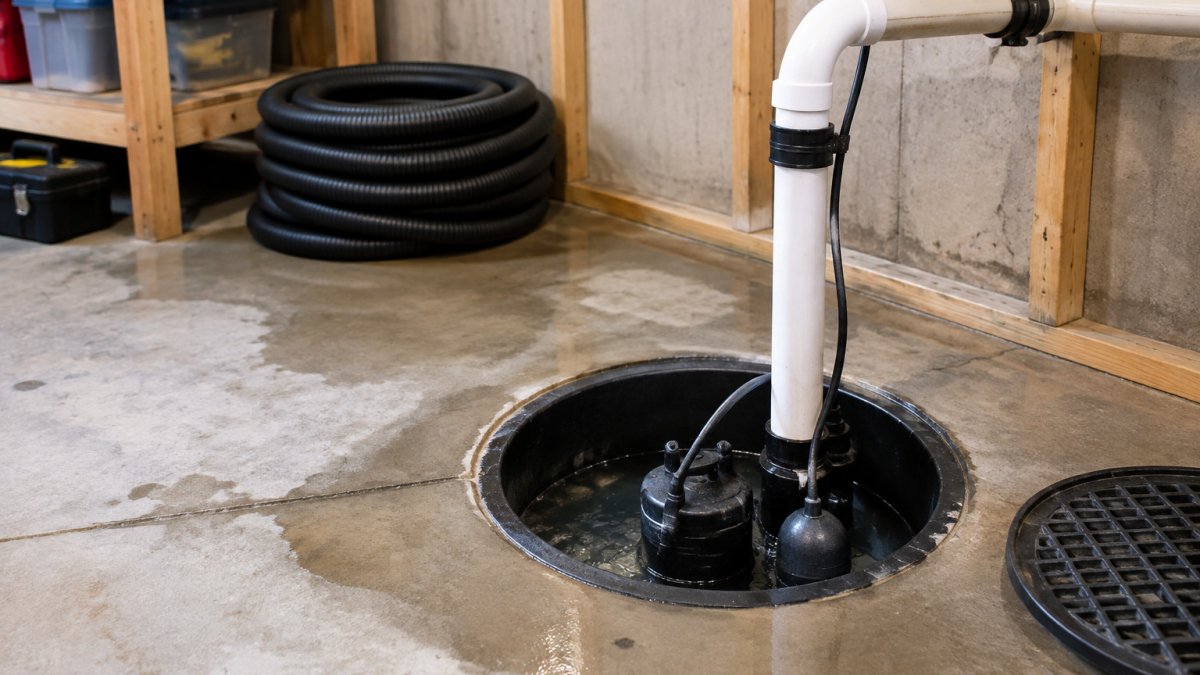
Interior systems install a drain channel above or beside the concrete slab, along the floor-wall joint. Water that seeps in is directed into a sump pit, where a pump discharges it outdoors.
The tradeoff is that interior systems manage water that has already entered the foundation. They relieve pressure and control seepage, but they do not stop water from reaching the wall in the first place.
Exterior Perimeter Drains and French Drains
Exterior systems work before water reaches the foundation. A perimeter drain tile, often called a footing drain, sits at the base of the footing outside the wall and collects groundwater. A French drain is a gravel-filled trench, usually lined with filter fabric, that carries water away from the house. Both rely on excavation, so they cost more and disrupt the yard, but they address the source of hydrostatic pressure directly.
Side-by-Side Comparison of the Best Basement Drainage Systems
The table below compares the main system types using the same criteria, so you can match each option to your situation rather than to a contractor's favorite product.
| System Type | Installation Location | Best For | Excavation Needed | Disruption | Maintenance Burden | Expected Service Life | Relative Cost |
|---|---|---|---|---|---|---|---|
| Interior drain channel with sump pump | Inside, floor-wall joint | Seepage through slab or walls; finished basements | Minimal (concrete cut along perimeter) | Moderate, dust, noise, a few days of access | Low to moderate, annual pit cleaning, pump test, backup check | Often 20+ years for the channel; pump 7-10 years | Moderate |
| Exterior perimeter drain (footing drain) | Outside, footing level | Groundwater pressure against the wall | Extensive, full perimeter excavation | High, yard, landscaping, decks, and walkways disturbed | Low once buried, but no easy access for inspection | Often 30+ years when properly bedded and filtered | High |
| French drain | Outside, yard trench | Surface and subsurface water moving across the lot | Moderate to extensive | Moderate to high, trenching across the yard | Moderate, inlet and outlet checks, filter fabric replacement | Varies widely with soil and fabric; plan on inspection every few years | Moderate to high |
| Downspout and grading fixes | Outside, surface | Surface runoff and roof water | Minimal | Low | Low, seasonal gutter cleaning and downspout checks | 5-15 years depending on materials | Low |
Pros and cons at a glance:
- Interior systems: Less disruptive to the yard and effective for finished basements, but they manage water after it has already entered the foundation.
- Exterior systems: Stop water at the source and can relieve hydrostatic pressure on the wall, but they require digging, cost more, and are hard to inspect once buried.
- French drains: Flexible for lot-wide water movement, but performance depends heavily on soil type, slope, and filter fabric.
Match the System to the Water Source
Use the source you identified earlier as the first filter, then use severity as the second.
- Water at the floor-wall joint after heavy rain, no standing water: Start with downspout extensions and regrading. If seepage continues, an interior drain channel at the joint is usually the next step.
- Water weeping through the wall itself, with efflorescence or staining: This points to hydrostatic pressure. An exterior perimeter drain addresses the source; an interior system relieves pressure inside but does not stop water from reaching the wall.
- Standing water on the slab during wet seasons: A slab or under-slab water problem often calls for an interior system with a sump pit, sometimes combined with a vapor barrier and dehumidification.
- Water crossing the yard and pooling near the foundation: A French drain or swale that redirects surface flow may solve it without a full perimeter system.
Watch out: choosing a system before confirming the source is the most common and most expensive mistake. A homeowner who buys an interior system for a problem that grading and downspout extensions would have solved pays several times more than necessary and still has a wet basement if the surface water is never redirected.
Questions to Ask Before You Commit
A neutral comparison should survive these checks:
- Does the proposed system address the source I identified, or only the symptom?
- What happens to the system if the sump pump fails during a storm, is there a battery backup or secondary pump?
- Where does the discharge line terminate, and does that location comply with local rules and avoid a neighbor's property?
- How will the system be accessed for cleaning, and what does annual maintenance involve?
- What is excluded from the quote, permits, concrete restoration, landscaping, and disposal are common add-ons.
If a contractor cannot answer these in writing, the comparison is not finished.
Interior Basement Drainage System Cost: What Homeowners Should Budget
Pricing for a basement drainage system depends on the length of the perimeter, the depth of the footing, the type of sump pump, and whether the discharge line needs trenching. Pricing for these projects depends on site conditions, so a fair bid should be based on a site assessment. The cost drivers and line items below can help you compare proposals on equal terms.
Call the Expert Renovation Contractors Now →
What Drives the Price
- Perimeter length. A longer run of drain channel means more concrete cutting, more pipe, more gravel, and more labor. This is usually the single largest variable.
- Foundation and slab conditions. A thick slab, post-tension cables, or a finished floor that must be protected or restored adds labor and risk.
- Sump pit and pump selection. A primary pump, a battery backup, and an alarm are separate line items. A high-water alarm and a backup pump are inexpensive relative to the damage from a failed pump during a storm.
- Discharge routing. Running the discharge line to a safe daylight outlet, a dry well, or a municipal storm connection involves different labor and may require a permit.
How to Read a Bid
Ask every contractor for a line-item breakdown covering excavation, materials, pump and backup pump, discharge routing, electrical work, concrete restoration, and permits.
A common pattern is for the lowest bid to exclude the backup pump, the discharge line, or the concrete patch.
Watch out: a bid that is dramatically lower than the others usually reflects a smaller scope, not a better deal.
Discharge Rules and Site Constraints
Where the water goes matters as much as how it is collected. Discharge cannot be routed onto a neighbor's property, and many jurisdictions restrict discharge to the sanitary sewer. Confirm the allowed destination, daylight outlet, dry well, storm sewer, or splash block, before the contractor orders materials. Lot layout, soil type, and grading also affect whether a gravity discharge is possible or whether a pump and lift are needed.
Budgeting Beyond the Install
Plan for the ownership costs, not just the install price:
- Annual maintenance: pit cleaning, pump testing, and discharge line checks.
- Pump replacement: budget for a replacement pump on a predictable cycle rather than waiting for a failure during a storm.
- Backup power: a battery backup or a generator connection protects the system during outages, which is exactly when sump pumps matter most.
- Inspection: a periodic inspection of the channel, pit, and discharge line catches clogs before they become flooding.
For current pricing and a site-specific estimate, contact B&G Home Improvement Inc. directly. Bring the line-item questions above to the consultation so the estimate you receive is comparable to any other bid you collect.
Basement Drainage System DIY: What You Can and Cannot Do Yourself
Some basement drainage tasks suit a capable homeowner, while others carry real risk. Before any hands-on work, document the water damage for insurance claims.
Installing a drain channel, cutting the concrete floor, excavating around the footing, or wiring a new pump is a different matter.
Watch out: before you cut into a slab or dig along the foundation, confirm whether your work needs a permit.
Basement Drainage System Diagram: How Water Moves Through the System
A working system follows a simple path. Water enters the drain channel at the floor-wall joint or from the perimeter tile, flows by gravity into the sump pit, and is lifted by the pump through a discharge line that carries it outside, well away from the foundation.
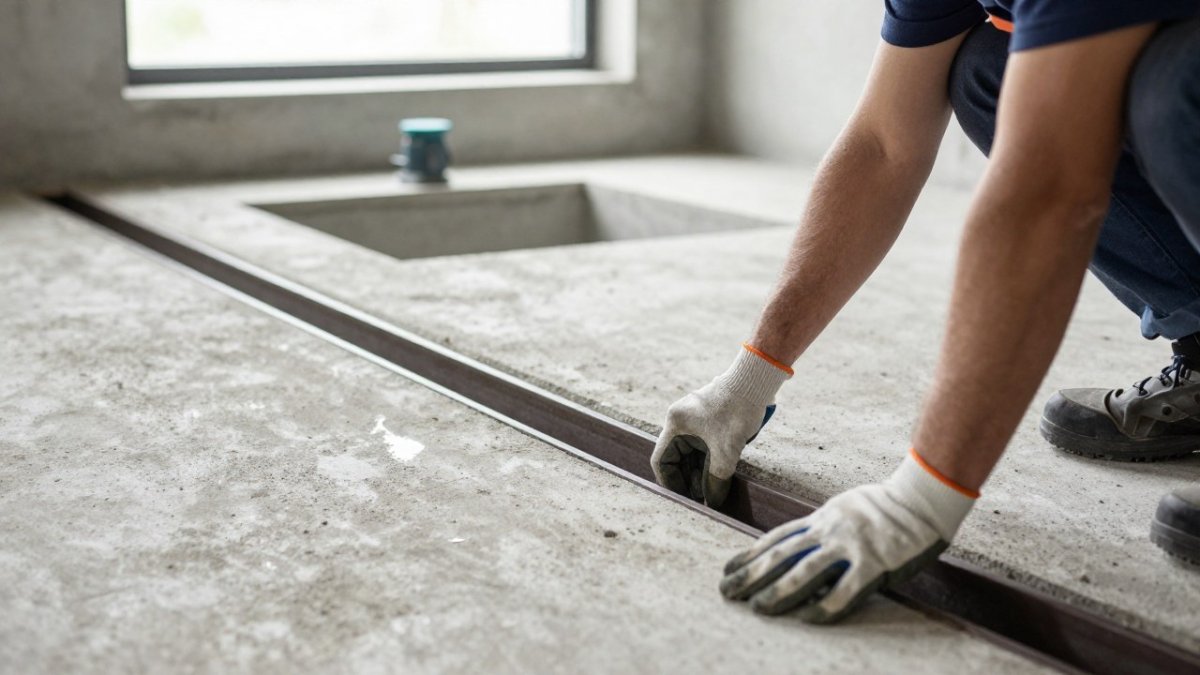
The key is that every stage works together. A clogged channel, a failed pump, or a discharge line that drains back toward the house undoes the entire system.
Choosing a Contractor and Scheduling Your Basement Drainage System
Hiring the right contractor matters as much as choosing the right system. Our guide to vetting reliable local contractors in Chapel Hill walks through each check step by step.
At B&G Home Improvement Inc., we are a locally owned and staffed remodeling contractor serving Carrboro, Chapel Hill, and Durham. To schedule a consultation or ask about current pricing, call the Expert Renovation Contractors now.
Frequently Asked Questions
What is the best drainage system for a basement?
No single system is best for every home. An interior drain system with a sump pump suits many basements with moderate seepage at the floor-wall joint, because it collects water inside and discharges it outside. Exterior perimeter drains are usually preferred when water pressure builds against the foundation wall, but they require excavation and cost more. Start by identifying where water enters, then match the system to that source. A licensed contractor can confirm the right approach after an inspection.
Which is better, a sump pump or a French drain?
They do different jobs and often work together. A French drain is a gravel-filled trench with perforated pipe that carries groundwater away from the foundation. A sump pump is a pit and pump that removes water that has already collected in the basement. A French drain reduces the water reaching the foundation, while a sump pump handles water that gets inside. Many homes need both, and the right combination depends on soil, slope, and where the water comes from.
How much does an interior basement drainage system cost?
Pricing depends on basement size, the length of the floor-wall joint, the type of pump, discharge requirements, and local labor rates. Because these factors vary widely, B&G Home Improvement Inc. does not publish a standard price. For current pricing or a site-specific quote, contact B&G Home Improvement Inc. through the website. Ask any contractor for a written estimate that lists the drain channel, pump, discharge line, and any permit fees separately so you can compare bids accurately.
Can you install a basement drainage system yourself?
Some homeowners handle limited tasks, such as clearing gutters, extending downspouts away from the foundation, or checking that a sump pump float switch moves freely. Installing an interior drain channel, cutting the concrete slab, or running a discharge line involves plumbing, excavation, and sometimes permits. Errors can cause structural damage or leave water trapped behind the wall. Consult a qualified contractor before starting any work that involves the foundation or drainage routing.
