
Table of Contents
- Why Residential Roof Repair Maintenance in 2026 Demands a New Approach
- The 2026 Residential Roof Inspection Checklist: A Step-by-Step Guide
- Average Roof Repair Cost 2026: Budgeting for Materials and Labor
- Seasonal Maintenance Schedules: Protecting Your Roof All Year
- Roof Insurance Claim Tips 2026: Documenting Damage Like a Pro
- Repair vs. Replacement: Key Decision Factors for Homeowners
- DIY vs. Professional Roof Repair: Safety Risks and Quality Outcomes
- Sustainable Roofing Materials and Energy Efficiency for 2026
- Frequently Asked Questions
Last Updated: September 6, 2026
Why Residential Roof Repair Maintenance in 2026 Demands a New Approach
Residential roof repair maintenance in 2026 is no longer just about patching a leak before the next storm. The roofing industry has shifted toward proactive, data-informed care that protects your home’s structure, energy efficiency, and resale value. A disciplined maintenance routine can help homeowners extend their roof’s lifespan.
Proactive roof repair maintenance is the practice of systematically inspecting, cleaning, and repairing your roof on a scheduled basis to prevent minor wear from becoming major damage. It combines visual assessments, gutter care, flashing checks, and attic ventilation reviews into a single annual routine. This guide walks you through the exact checklist, budgeting expectations, and decision frameworks you need for 2026.
The 2026 Residential Roof Inspection Checklist: A Step-by-Step Guide
A residential roof inspection checklist is your first line of defense against premature failure. Perform a thorough inspection twice a year, once in the spring and once in the fall, plus after any severe storm. The process covers attic checks, ceiling scans, shingle assessment, flashing verification, and gutter evaluation.
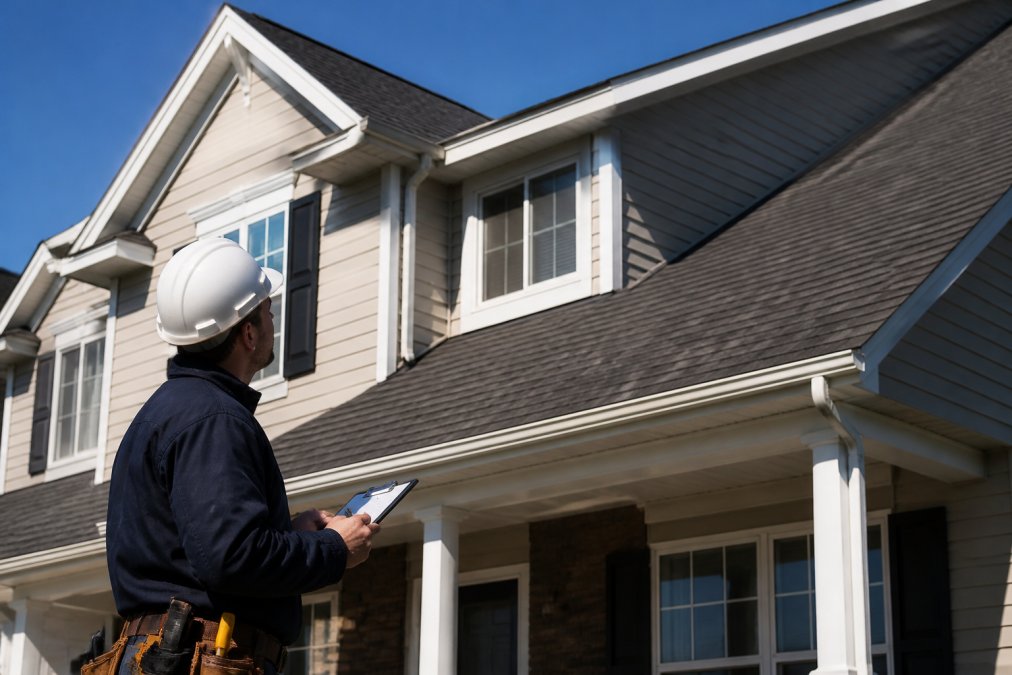
Begin your residential roof inspection checklist on the ground. Walk the perimeter and use binoculars to scan for missing, curled, or cracked shingles. Pay attention to granule loss in gutters, which signals aging asphalt shingles. Then move inside to the attic with a flashlight.
Interior Checks: Attic, Ceilings, and Ventilation
Start in the attic on a sunny day. Look for beams of light piercing through the roof deck, which indicate holes or gaps. Check the underside of the sheathing for dark streaks or water stains, which point to moisture intrusion. Touch insulation to confirm it is dry; wet insulation loses its R-value and promotes mold. Inspect ventilation baffles to ensure airflow is not blocked, because poor ventilation traps heat and humidity that degrades shingles from below.
On ceilings throughout the house, look for yellow or brown rings, bubbling paint, or peeling wallpaper near exterior walls. These are early leak detection signals that often appear weeks before a visible drip. Use a moisture meter if you have one; elevated readings warrant a closer look.
Exterior Checks: Shingles, Flashing, and Gutters
Outside, examine shingle integrity across every slope. Curled edges, bald spots, and cracked tabs mean the roof is nearing the end of its service life. Check flashing around chimneys, skylights, and vent pipes; lifted or rusted flashing is one of the most common sources of hidden leaks. Ensure downspouts direct water at least three feet away from the foundation and that gutters are free of debris. Clogged gutters cause water to back up under the roof edge, rotting the fascia board.
The Unique Angle: Detecting Problems That Cost the Most Later
Most checklists stop at “look for damage.” This one goes further by focusing on the specific mechanisms that turn a $200 repair into a $5,000 replacement. The most expensive hidden issue is compromised flashing. A small gap around a chimney or vent pipe allows water to run behind the shingles and saturate the roof deck. During your inspection, pay special attention to the sealant around flashing. If it is cracked or peeling, reapply a high-quality polyurethane sealant immediately. This task can help prevent a common cause of premature roof failure.
Another high-cost issue is inadequate attic ventilation. A hot attic in summer can bake shingles from below, accelerating granule loss and curling. In winter, poor ventilation traps moisture that condenses on the roof deck, leading to rot and mold. Use a simple thermometer in the attic during the summer; if it reads significantly above the outside temperature, your ventilation may be insufficient.
Finally, do not overlook the condition of the underlayment. If you have access to the attic, check the underside of the roof deck for dark, damp spots that indicate the underlayment has failed. A compromised underlayment means water is reaching the wood, even if the shingles look fine.
Average Roof Repair Cost 2026: Budgeting for Materials and Labor
The cost of roof repair depends heavily on the scope of work, material type, and local labor rates. Minor repairs like replacing a few shingles or resealing flashing may be less costly, while structural repairs involving decking replacement or full section re-roofing can be more involved. Pricing varies, so exact figures depend on your location and the contractor you choose. A roofing contractor should provide a detailed written estimate before any work begins.
Budgeting for roof repair maintenance requires separating routine costs from emergency reserves. Routine maintenance, including inspections and minor fixes, is a predictable annual expense. Emergency repairs, such as storm damage or sudden leaks, require a dedicated fund because they cannot wait. The table below outlines repair categories and their common causes.
| Repair Type | Common Cause | Typical Cost Driver | Frequency |
|---|---|---|---|
| Shingle replacement | Storm damage, aging | Material grade, roof pitch | Every 2-3 years |
| Flashing repair | Failed sealant, rust | Number of penetrations | Every 3-5 years |
| Gutter cleaning | Debris buildup | Home height, tree cover | Twice per year |
| Decking replacement | Prolonged leaks | Extent of rot | Rare, major cost |
| Full re-roofing | End of lifespan | Roof size, material | Every 20-30 years |
Seasonal Maintenance Schedules: Protecting Your Roof All Year
Seasonal upkeep is the backbone of effective roof repair maintenance. Each season brings distinct threats, and aligning your tasks to the calendar keeps small problems from compounding. A seasonal maintenance schedule also gives you a documented history, which is valuable if you ever file an insurance claim.
Spring and Summer: Focus on Storm Damage Assessment
Spring is the time for a full storm damage assessment. Winter ice and wind often loosen shingles or crack flashing without obvious signs. Walk the property after the last frost and look for debris impact marks, lifted shingle edges, and dented gutters. Check attic ventilation as temperatures rise; a hot attic accelerates shingle aging and increases cooling costs. Summer is ideal for scheduling repairs because dry conditions allow sealants and adhesives to cure properly. Tackle small fixes now to avoid autumn water intrusion.
Fall and Winter: Preparing for Moisture Intrusion
Fall maintenance centers on preventing moisture intrusion. Clear all gutters and downspouts of leaves, confirm downspouts extend away from the foundation, and trim overhanging branches that could scrape shingles or drop heavy limbs. Inspect the roof membrane around valleys and penetrations, as these are the most vulnerable points during heavy rain. Before the first freeze, ensure attic insulation is dry and ventilation is unobstructed. Winter requires vigilance: after any significant snowfall, look for ice dams forming at the eaves and remove them promptly to prevent water backing up under the shingles.
The Unique Angle: Turning Seasonal Maintenance into a Financial and Insurance Asset
Most guides treat seasonal maintenance as a chore. This schedule treats it as a financial tool. The key is documentation. Every time you perform a seasonal task, take a timestamped photo and log the date, the task, and your observations. When you file an insurance claim, your provider will ask for evidence that the damage was sudden and accidental, not the result of neglect. A detailed maintenance log with photos is the single most persuasive piece of evidence you can provide.
Beyond insurance, a seasonal schedule helps you budget. By tracking what you find each season, you can predict when major components will need replacement. For example, if you note in your spring log that the flashing around your chimney is starting to rust, you can plan for a flashing replacement in the next year’s budget.
Call the Expert Renovation Contractors Now →
Another angle is energy efficiency. Seasonal maintenance directly impacts your utility bills. In the fall, check that your attic insulation is dry and evenly distributed. Wet or compressed insulation loses its R-value, forcing your HVAC system to work harder. In the spring, clean the reflective surface of a cool roof or metal roof to maintain its solar reflectance. A dirty cool roof can lose some of its reflective capability.
Roof Insurance Claim Tips 2026: Documenting Damage Like a Pro
Roof insurance claim tips 2026 center on one principle: documentation wins disputes. Your roof repair maintenance records are your strongest evidence that damage resulted from a covered event, not neglect. Most homeowner insurance policies cover sudden damage from storms, hail, or falling trees, but they deny claims for deterioration caused by poor upkeep (iii.org). A maintenance log with dates and photos proves you fulfilled your responsibility.
When a storm hits, act immediately. Take wide-angle photos of the entire roof, then close-ups of every damaged area. Photograph the ground for debris like shingles or branches. Note the date and time of the storm, and save any weather alerts from local authorities. Contact your insurer within 48 hours and request an adjuster visit. Before the adjuster arrives, walk the property with a contractor to identify all damage; contractors often spot issues adjusters miss. Get a written repair estimate and share it with your insurer.
Repair vs. Replacement: Key Decision Factors for Homeowners
Choosing between roof repair and full replacement is one of the most consequential decisions a homeowner makes. The general guidance is that repairs make sense when damage is localized and the roof is under 15 years old. Replacement becomes the better financial call when damage covers more than 30 percent of the roof, when shingles are curling or buckling across multiple slopes, or when the roof is past its expected lifespan. Repeated repairs on an aging roof are throwing money at a losing battle.
Roof lifespan varies by material: asphalt shingles have a certain lifespan, while metal and tile can last longer. If your roof is nearing that range and shows widespread wear, replacement offers better long-term value. Replacement also improves energy efficiency with modern reflective materials and gives you a fresh warranty. A professional assessment from a trusted roofing contractor is essential here. They can measure the extent of damage, check the underlayment, and give you a straight answer on whether patching will hold.
DIY vs. Professional Roof Repair: Safety Risks and Quality Outcomes
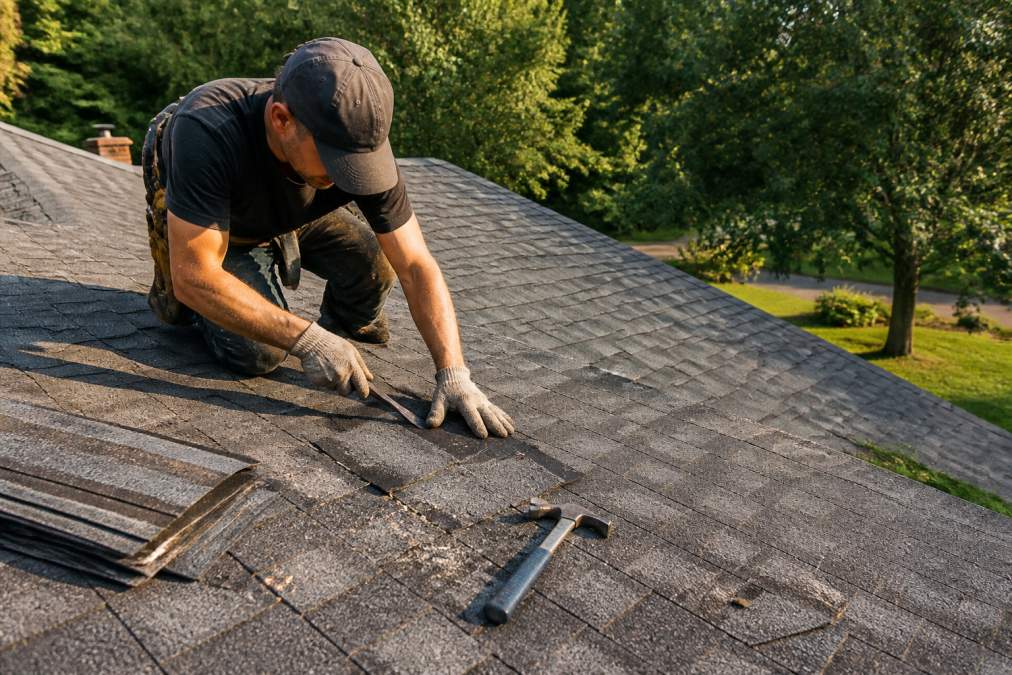
DIY roof repair is tempting for handy homeowners, but the safety risks are severe. Roof work involves falls, which are a leading cause of serious injury in home improvement (the CDC). Working at height on a sloped surface without proper harnesses, toeholds, and anchor points is dangerous. Beyond safety, quality outcomes depend on correct installation techniques. Improperly nailed shingles, misaligned flashing, or inadequate sealant application create leaks that surface months later.
Professional roofing contractors bring training, insurance, and specialized equipment. They carry liability coverage that protects you if something goes wrong. They also know local building codes and manufacturer warranty requirements. A roof warranty is often voided if installation does not follow the manufacturer’s specifications, which is a risk DIY work carries (gaf.com). For anything beyond a simple visual check or minor gutter cleaning, hiring a professional is the prudent choice.
Sustainable Roofing Materials and Energy Efficiency for 2026
Sustainable roofing materials and energy efficiency are reshaping roof repair maintenance decisions in 2026. Cool roofs, which use reflective coatings or light-colored materials, reduce heat absorption and lower cooling costs in warm climates. Metal roofing made from recycled content offers durability and full recyclability at the end of its life. Solar shingles integrate photovoltaic cells directly into the roof surface, generating electricity while protecting the home.
Energy efficiency is not just about material choice; it also depends on proper installation and ventilation. A well-ventilated attic keeps the roof deck cool in summer and dry in winter, extending shingle life. Reflective underlayment and radiant barriers can further cut heat transfer. When planning roof repair maintenance, factor in the energy performance of your materials. An energy-efficient roof reduces your carbon footprint and increases home resale value.
Protecting your home’s roof requires more than occasional spot checks; it demands a structured plan for inspections, budgeting, and timely repairs. B&G Home Improvement Inc. brings local expertise, a commitment to lasting quality, and clear communication to every roofing project. Our team conducts thorough assessments, provides honest recommendations, and completes work within the agreed timeframe. Call the Expert Renovation Contractors Now and get started with B&G Home Improvement Inc. for a roof that stands the test of time.
Frequently Asked Questions
What is the best time of year to schedule residential roof maintenance?
Schedule a professional inspection twice a year, ideally in early spring and early fall. Spring inspections catch damage from winter storms and ice, while fall checks prepare your roof for heavy rain and colder temperatures. After major storm events in the Triangle, book an assessment promptly. Regular seasonal upkeep prevents minor issues like loose shingles from turning into structural damage.
How can homeowners identify early signs of roof damage?
Look for missing, cracked, or curling asphalt shingles from the ground using binoculars. Inside your home, check the attic for daylight coming through the roof deck, dark streaks on wood, or damp insulation. Check flashing around chimneys and vents for rust or gaps. Granules in your gutters signal shingle deterioration. Addressing these signs early keeps your roof repair budget manageable.
What should you avoid saying to an insurance adjuster regarding roof damage?
Never admit fault, speculate about the cause of damage, or agree verbally that damage is pre-existing. Do not mention a specific repair cost estimate before the adjuster finishes their assessment. Stick to the facts about when you noticed the issue and avoid discussing prior maintenance delays. Provide the documentation you gathered, including photos and receipts. Keep communication professional and let your evidence support the claim.
What is the 25% rule for roof repairs and when does it apply?
A common guideline contractors use to decide between repair and replacement suggests that if the cost to repair a section of your roof is significant compared to a full replacement, or if damage covers a substantial portion of the roof's surface, replacement is often the better investment. Patching multiple areas can lead to inconsistent shingle integrity and higher long-term costs.
What are the roofing trends for 2026 that impact repair costs?
Demand for sustainable and energy-efficient materials is growing. Cool roofs and recycled shingles are popular choices that can affect repair costs. These materials may have different upfront costs but can provide long-term energy savings. Availability of these materials may also influence labor pricing. Ask your contractor about current lead times and material price trends.
Is a professional roof inspection worth the cost annually?
Yes. A professional assessment catches issues you cannot see from the ground, such as compromised underlayment or flashing. Inspectors also assess soffit and fascia, roof pitch drainage, and ventilation. This service costs far less than emergency repairs or premature replacement. An annual checkup also supports your roof warranty and strengthens your documentation if you need to file an insurance claim.
Comments